 Being Your Child’s Advocate for School and for Life
This past academic year was a bumpy one – and that’s putting it mildly! We have encountered so many challenges and obstacles in our family life, in our work world, and in our children’s academic needs. When thinking about all the difficulties that you had to navigate to keep your child’s learning momentum going, I urge you – keep going. Once students return to school in the fall, whether in person, some form of a hybrid program, or heaven forbid a terrible outbreak and distance learning starts again, they will still need you – their parent – to be their advocate. Stand up for what is best for your child, whether by nudging your child gently, or by intervening on their behalf. Here are some ways to continue guiding your children and showing them you care. [Read more…]
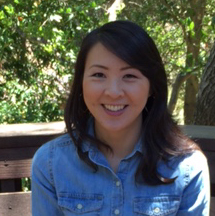
Discovering the joy of teaching while in high school, Jaime pursued her B.A. in English at Santa Clara University. She also received a teaching credential and a M.A. in Education Administration from Santa Clara University. Jaime taught English Language Arts at Rancho Middle School, motivating and inspiring young people to become effective communicators and contributors in their community. From being a Middle School English Language Arts/English Language Development teacher to becoming a stay-at home mom, Jaime is an education consultant who presents literacy workshops. Her workshops focus on a combination of her ten years of teaching expertise with tried-and-true experiences that she uses with her own children. Jaime is also a Teacher Consultant with the San Jose Area Writing Project. Jaime’s mission is to share effective reading and writing strategies with families to encourage literacy.
 Can My Grandson See His Dad Yet?
 Let’s Talk Math Strategies
 How to Help Our Children Enjoy Reading at Home
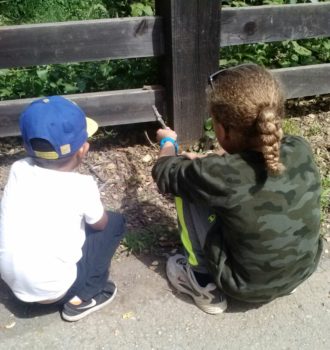 What Will We Do with Children This Summer?