 Celebrating Your Child’s High School Rite of Passage!
I vividly reminder when my precious son turned one year of age. We celebrated with a delightful family birthday party that included a committed family and friends’ rite of passage. Our rite of passage included:
- Asking all to become part of a village of support as guardians and godparents in our son’s journey to adulthood
- Standing in a circle and having all explain how they would support my son’s emotional and social growth
- Offering words of encouragement on how they would support their newly adopted godson as aunties and uncles
- Envisioning how our son would mature into young adulthood
- Providing a prayer of thanks to all for being part of our extended family in our son’s village
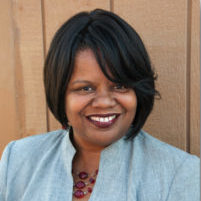
Yvette King-Berg, is the Executive Director of Youth Policy Institute’s Charter Schools. She was the former California Charter Schools Association Vice-President of School Development and Outreach-Southern California. Ms. King-Berg has over thirty years of experience working with teachers, students, parents, and organizations in a variety of positions including Director, Assistant Director, Curriculum Advisor, Bilingual, and Title 1 Coordinators, classroom teacher (K-12) in Pasadena and LAUSD. She has been married for twenty-three years, and is the proud mother of her son, EJ, who attends UC Berkeley.
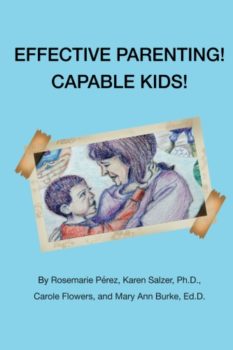 Effective Parenting! Capable Kids! Strategies that Ensure Success!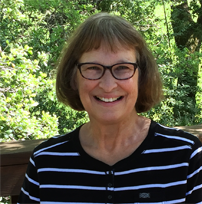
 Each spring, parents struggle when making a decision about selecting the appropriate learning environment for their preschool child. Important considerations should include the following:
 nce of Educational Assessment
 Joey just came home from school. He was crying that he no longer wanted to go to kindergarten because he did not have friends. Joey complained that the teacher put him into timeout again for disrupting the class. He suddenly had a stomach ache. Mom was beside herself. This was not the first time that Joey complained. It was becoming a weekly and sometimes a daily event.