
GenParenting

Parenting resources for all who love and care for children

  • Parenting
    • Infants | Preschoolers
    • K-8
    • Teens
    • Special Needs
  • Family Health
    • Infants | Preschoolers Health
    • K-8 Family Health
    • Teens Family Health
    • Special Needs Family Health
  • Resources
    • Printables | eBooks
    • Books | Products
    • Websites | Orgs
    • Bilingual
  • Our Authors
    • Jo Baldwin
    • Mary Ann Burke
    • Phil Caposey
    • Ruth Cook
    • Melissa Donahoe
    • Danielle Gentry
    • Laura Greenstein
    • Joyce Iwasaki
    • Yvette King-Berg
    • Jaime Koo
    • Kevin Myers
    • Rosemarie Perez
    • Karen Salzer
    • Alison Whiteley
    • Denise Williams
    • Rafael Zavala
  • About
    • Work with Us
    • Press
    • Privacy Policy
    • Disclaimer and Terms of Use

Jul 09 2024

Summertime Social-Emotional Learning Routines

Summertime Social-Emotional Learning Routines

As the summer sun calls and school doors close, parents, you have the perfect opportunity to focus on nurturing your child’s social skills in the comfort of home. Social skills are essential for navigating the complexities of human interaction, fostering meaningful relationships, and thriving in various social settings. In this blog post, I’ll explore practical and engaging ways you can cultivate social skills in your child during the summer break.

Encourage Playdates and Social Interaction:

  • Arrange playdates with friends, neighbors, or classmates to provide opportunities for social interaction.
  • Create a conducive environment for play by offering toys, games, and activities that encourage cooperation and communication.
  • Supervise play sessions and intervene when necessary to teach conflict resolution and problem-solving skills.

Model Positive Social Behaviors:

  • Be a role model for your child by demonstrating kindness, empathy, and respect in your interactions with others.
  • Use everyday situations as teaching moments to illustrate social norms, such as taking turns, sharing, and listening attentively.
  • Provide verbal praise and reinforcement when your child exhibits positive social behaviors.

Practice Active Listening:

  • Teach your child the importance of active listening by maintaining eye contact, nodding, and responding appropriately during conversations.
  • Engage in active listening exercises where you and your child take turns sharing stories or experiences, demonstrating empathy and understanding.

Promote Emotional Awareness:

  • Help your child identify and label their emotions using simple language (e.g., happy, sad, angry).
  • Encourage open communication about feelings and emotions, validating your child’s experiences and providing support when needed.
  • Use books, videos, or visual aids to explore different emotions and discuss how to cope with them in healthy ways.

Role-Play Social Scenarios:

  • Role-play common social situations with your child, such as introducing themselves to new friends, asking for help, or resolving conflicts.
  • Take on different roles and encourage your child to practice appropriate responses and problem-solving strategies.
  • Provide feedback and positive reinforcement to reinforce desired behaviors.

Engage in Cooperative Activities:

  • Participate in cooperative activities that require teamwork and collaboration, such as cooking, gardening, or building a fort.
  • Emphasize the importance of working together, sharing responsibilities, and respecting each other’s ideas and contributions.
  • Reflect on the experience afterward, discussing what went well and how each person contributed to the task.

Explore Social Stories and Role Models:

  • Read social stories or watch videos featuring characters who demonstrate positive social skills and behaviors.
  • Discuss the lessons learned from these stories and how they apply to real-life situations.
  • Encourage your child to emulate positive role models and incorporate their behaviors into their own interactions

Celebrate Social Successes:

  • Celebrate your child’s social successes, no matter how small, to reinforce their confidence and motivation.
  • Keep a journal or visual chart to track progress and acknowledge achievements along the way.
  • Encourage a growth mindset by emphasizing effort, perseverance, and continuous improvement in social skills.

Summer is the perfect time for you to focus on nurturing your child’s social skills in a supportive and enriching home environment. By incorporating these practical strategies into everyday activities, you can help preschool and elementary-aged children develop the social competence they need to thrive in school, relationships, and life. Remember, building social skills is a journey that requires patience, consistency, and encouragement, but the rewards are immeasurable.

 

Alison Whiteley

Alison Whiteley has been a special education teacher for over 15 years, spending most of her time working with elementary students and families. After graduating from the University of Colorado with a Bachelor of Arts in Special Education and Psychology, she continued her education with a Masters in Reading from Walden University. In addition, she has achieved endorsements supporting Early Childhood Special Education and Diverse Learners which she uses to help identify needs across all learners.

Ms. Whiteley is trained in Wilson Reading System and Yoshimoto Orton-Gillingham. She believes all students can learn to read and be successful. She has served as a Special Education Coach and Mentor to fellow specialists and teachers, facilitated the creation of her elementary school’s Response to Intervention/Multi-Tiered Systems of Support (RTI/MTSS) process and helped parents through the Special Education process as IEP Coach for parents. In 2013 she completed the National Boards of Professional Teaching in Exceptional Needs with recertification in 2022. Her areas of expertise involve working with students with learning disabilities, supporting stakeholders moving through the special education process, and helping parents and teachers understand what they can do to support struggling learners in the public school settings.

She is a founding member of the Colorado Reading League and a member of the International Dyslexia Association in Colorado. Alison has two greyhounds and two nephews who keep her busy outside of school. She is the CEO of Toad-ally Exceptional Learners at http://www.toad-allyexceptionallearners.com. Alison is a valuable source of information to support teachers and parents, although she is not a lawyer and does not give legal advice. Her services support families through the IEP process and how they can be an equal member of the team through positive interactions. She focuses on collaboration and using tools to take IEPs to the new level of helping students achieve.

www.GenParenting.com

Written by Alison Whiteley · Categorized: Early Childhood Parenting, Elementary School Parenting, Parenting Adolescents, Social-Emotional Health, Special Needs Parenting, Teaching successful students · Tagged: children with special needs, Educating children, Family health, family values, Parenting, parents as teachers, social-emotional learning, Special Education, summer activities, teachable moments

May 14 2024

Behavior Assessments Support Children’s Learning Successes

Behavior Assessments Support Children’s Learning Successes

A Functional Behavior Assessment (FBA) is a process used in special education (and sometimes in general education)  to understand and analyze the reasons behind a child’s challenging behavior. It’s a systematic and individualized approach that helps educators and other professionals identify the underlying factors contributing to a student’s behavior while at school and provide tailored support for their behaviors. An FBA is NOT completed for all students. [Read more…]

Alison Whiteley

Alison Whiteley has been a special education teacher for over 15 years, spending most of her time working with elementary students and families. After graduating from the University of Colorado with a Bachelor of Arts in Special Education and Psychology, she continued her education with a Masters in Reading from Walden University. In addition, she has achieved endorsements supporting Early Childhood Special Education and Diverse Learners which she uses to help identify needs across all learners.

Ms. Whiteley is trained in Wilson Reading System and Yoshimoto Orton-Gillingham. She believes all students can learn to read and be successful. She has served as a Special Education Coach and Mentor to fellow specialists and teachers, facilitated the creation of her elementary school’s Response to Intervention/Multi-Tiered Systems of Support (RTI/MTSS) process and helped parents through the Special Education process as IEP Coach for parents. In 2013 she completed the National Boards of Professional Teaching in Exceptional Needs with recertification in 2022. Her areas of expertise involve working with students with learning disabilities, supporting stakeholders moving through the special education process, and helping parents and teachers understand what they can do to support struggling learners in the public school settings.

She is a founding member of the Colorado Reading League and a member of the International Dyslexia Association in Colorado. Alison has two greyhounds and two nephews who keep her busy outside of school. She is the CEO of Toad-ally Exceptional Learners at http://www.toad-allyexceptionallearners.com. Alison is a valuable source of information to support teachers and parents, although she is not a lawyer and does not give legal advice. Her services support families through the IEP process and how they can be an equal member of the team through positive interactions. She focuses on collaboration and using tools to take IEPs to the new level of helping students achieve.

www.GenParenting.com

Written by Alison Whiteley · Categorized: Elementary School Parenting, Parenting Adolescents, Secondary School Parenting, Social-Emotional Health, Special Needs Parenting, stuggling students, Teaching successful students · Tagged: #problem solving #parenting teens, #struggling students, academic success, children with special needs, Educating children, Parenting, parents as teachers, Special Education, special needs, student school behaviors, teachable moments

Oct 24 2023

Advocating for Your Child’s Special Education Needs

Advocating for Your Child’s Special Education Needs

Being a parent of a special needs child is not easy. Working with a new team each year is hard. It’s hard even when the only thing that changes is your general education teacher.

As a special education teacher, parents, you play a critical role part in your child’s education. Advocating is empowering and HARD. By actively participating in your child’s education and collaborating with educators and professionals, you can ensure that your child receives the support and resources they require to thrive. In this blog post, I will share 8 valuable insights and practical tips to help you become a strong advocate for your child and their needs. [Read more…]

Alison Whiteley

Alison Whiteley has been a special education teacher for over 15 years, spending most of her time working with elementary students and families. After graduating from the University of Colorado with a Bachelor of Arts in Special Education and Psychology, she continued her education with a Masters in Reading from Walden University. In addition, she has achieved endorsements supporting Early Childhood Special Education and Diverse Learners which she uses to help identify needs across all learners.

Ms. Whiteley is trained in Wilson Reading System and Yoshimoto Orton-Gillingham. She believes all students can learn to read and be successful. She has served as a Special Education Coach and Mentor to fellow specialists and teachers, facilitated the creation of her elementary school’s Response to Intervention/Multi-Tiered Systems of Support (RTI/MTSS) process and helped parents through the Special Education process as IEP Coach for parents. In 2013 she completed the National Boards of Professional Teaching in Exceptional Needs with recertification in 2022. Her areas of expertise involve working with students with learning disabilities, supporting stakeholders moving through the special education process, and helping parents and teachers understand what they can do to support struggling learners in the public school settings.

She is a founding member of the Colorado Reading League and a member of the International Dyslexia Association in Colorado. Alison has two greyhounds and two nephews who keep her busy outside of school. She is the CEO of Toad-ally Exceptional Learners at http://www.toad-allyexceptionallearners.com. Alison is a valuable source of information to support teachers and parents, although she is not a lawyer and does not give legal advice. Her services support families through the IEP process and how they can be an equal member of the team through positive interactions. She focuses on collaboration and using tools to take IEPs to the new level of helping students achieve.

www.GenParenting.com

Written by Alison Whiteley · Categorized: Elementary School Parenting, Social-Emotional Health, Special Needs Family Health, Special Needs Parenting, stuggling students, Teaching successful students · Tagged: #problem solving #parenting teens, #struggling students, Academic needs, children with special needs, parent advocacy, parents as teachers, Special Education, Special Needs Parenting

Nov 29 2022

Safety Plans for High-Risk Kids

Safety Plans for High-Risk Kids

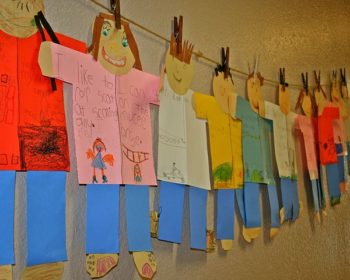
As our students become more anxious with home and school challenges, we find that we become fearful about their health and well-being. Some children will demonstrate their anxieties and stress by having nightmares, not eating, over-eating, sleeping too much, spending hours on screens, or isolating. As parents, it is our job to try and understand what is troubling our children and seek support when needed. We should not be afraid to ask for help. The longer we ignore or avoid a problem, the more frustrated and troubled our child may become. [Read more…]

Mary Ann Burke, Digital Education Expert

Mary Ann Burke, Ed.D., Digital Education Expert, is a substitute distance learning teacher for Oak Grove School District in San Jose, California and the author of STUDENT-ENGAGED ASSESSMENT: Strategies to Empower All Learners (Rowman & Littlefield: 2020). Dr. Burke creates digital language arts and substitute teaching K – 12 activities for teachers and parents. She is the Cofounder of the Genparenting.com blog. Burke is the former Director II of Categorical & Special Projects for the Santa Clara County Office of Education that supports 31 school districts serving 272,321 students in Santa Clara County. She is also a previous Director – State & Federal Compliance for Oakland Unified School District, the former Director – Grantwriter for the Compton Unified School District, and was the initial VISTA Director for the Community Partnership Coalition in southern California. Much of her work focuses on creating innovative digital trainings and partnership programs for teachers and families to support students’ learning. These programs were featured as a best practice at a National Title I Conference, California’s Title I Conferences, AERA Conferences, an ASCD Conference, the NASSP Conference, and statewide educator conferences.

Written by Mary Ann Burke, Digital Education Expert · Categorized: Elementary School Parenting, Parenting Adolescents, Social-Emotional Health, Special Needs Parenting · Tagged: #parenting teens, #problem solving #parenting teens, Early Parenting, Educating children, family values, Parent Decisions, Parenting, parents as teachers, teachable moments

Oct 04 2022

How to Improve Your Children’s School Successes

How to Improve Your Children’s School Successes 

As an elementary school principal, I provide guidance and resources to support our students’ social-emotional and academic successes. Our school also uses Positive Behavioral Interventions and Supports (PBIS) to reinforce positive social behaviors and define consequences for problem behaviors. We focus on ensuring a predictable, consistent, positive, and a safe school environment for all students. By using a common language on school-wide expectations, less time is spent on discipline. More time is focused on instruction, building a positive school climate, and promoting positive interactions between staff, students, and families. [Read more…]

Rafael Zavala

Dr. Rafael Zavala became passionate about learning at an early age. As a child of farmworkers in the Salinas Valley, Rafael attended Santa Clara University for his undergraduate degree and completed Masters’ Degrees at Saint Louis University and Harvard. Most recently, Dr. Zavala completed his Ed.D. from San Jose State University.

Mr. Zavala started teaching in 2002 at Solidad Unified School District in California and later at Cambridge Public Schools and Malden Public Schools in Massachusetts. After returning to California in 2015, Dr. Zavala served in diverse administrative roles including Assistant Principal, Administrator of School Climate and Culture, and Administrator II of Personnel Services. Rafael became the Principal of Sakamoto Elementary School in San Jose, California in 2021.

A primary focus of his work is to ensure the equitable educational support services for all students by implementing Positive Behavioral Interventions and Supports (PBIS). Mr. Zavala firmly believes that when district and school staff collaborate to create effective tiered behavioral support strategies, students will succeed at grade level and beyond.

www.GenParenting.com

Written by Rafael Zavala · Categorized: Elementary School Parenting, Social-Emotional Health, stuggling students, Teaching successful students · Tagged: #struggling students, academic success, Educating children, parents as teachers, teachable moments

  • « Previous Page
  • 1
  • 2
  • 3
  • 4
  • …
  • 16
  • Next Page »

Search the site

Translate

Sign up for updates

Follow us

Copyright © 2026 — GenParenting • All rights reserved