How Can Parents Support STEAM?
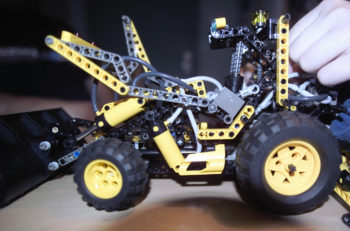 STEAM is the blending of science, technology, engineering, art and mathematics into learning experiences through problem solving and discovery. Schools are introducing this approach to learning by creating STEAM labs on elementary and secondary campuses and holding STEAM events for families. An important purpose of the Common Core standards and the Next Generation Science Standards is to prepare children for the 21st century work force. The standards focus on making learning relevant to life. STEAM activities provide relevant opportunities to problem solve because they reflect the kind of thinking that happens every day in the work world. [Read more…]
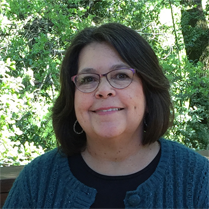
Rosemarie Pérez has worked with English learners and their families in public education for more than twenty years. She has served as a bilingual teacher, professional developer, and district administrator. Administrative roles included serving as the Director of English Learners for an elementary school district and as a Coordinator of Reading and Language for the San Mateo County Office of Education. Rosemarie continues to work with families as she leads the Santa Clara County Office of Education’s Parent Engagement Initiative during the past three years. Ms. Pérez provides expert guidance to teachers, school site staff, and school administrators in creating culturally sensitive parent training modules and academic curricular units. She facilitates parent education and Common Core Standards workshops. Engaged parents are further trained to become parent leaders and advocates. Rosemarie is the mother of five adult children and three grandchildren.
 IEP (Individualized Education Program) and IDEA (Individuals with Disabilities Education Act) Parent Teacher Collaboration
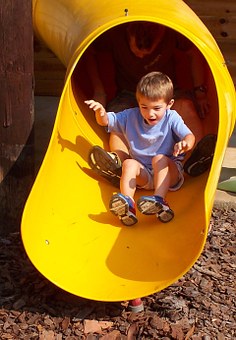 It has rained for days with little time for the children to play at the park. Today is my babysitting day for my three preschool grandkids! I arrive at my daughter’s home early in the morning. My daughter plans to spend her time completing a tutorial on her new computer. I plan to take the grandkids on their weekly trip to lunch, the park, and on errands. I then ask if I can purchase the 14 month old twins’ first pair of shoes and drive my grandson to preschool after taking him to his doctor’s office for a shot.