Raising Culturally Sensitive 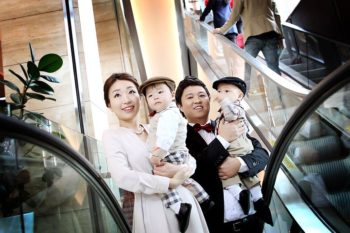 Children
The current political climate in our country continues to challenge families with how to teach their children about cultural sensitivity. Some children love having friends with different backgrounds and cultures. Others have little exposure playing with diverse populations of children. Still, other children are from families who are afraid of (or do not wish to interact with) other ethnic groups or cultures. [Read more…]
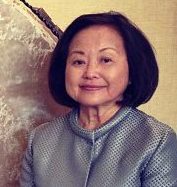
Joyce Iwasaki has over thirty years of educational experience working with diverse students in grades from preschool through high school. Joyce’s extensive background includes teaching elementary school, serving on early childhood advisory boards, and advocating for educational initiatives as a legislative aide. During her tenure as a legislative aide, she helped create legislation that allowed incarcerated mothers to keep their newborn babies with them while in prison. Additional legislation was enacted to allow incarcerated pregnant mothers to remain unshackled during labor and delivery. Ms. Iwasaki established and served as the president of an educational scholarship foundation for fifteen years. Her foundation awarded college scholarships to emerging student leaders who provided service to their schools and communities. Joyce is active in performing arts and cultural organizations. She also provides ongoing support to her daughter and family by raising her grandson in her home.
 Family Community Service
 In this season of Thanksgiving, many of us meet with friends and family to celebrate our blessings. When reflecting on our culturally diverse friendships, the GenParenting bloggers have previously published blogs on how we can raise culturally sensitive children by modeling acceptance, sharing interests, participating in interfaith events, and partnering in community services and school activities. We have shared thoughtful experiences of how our children have shared their American culture with children from other countries. And we have celebrated various heritages at diversity events per the calendar of events at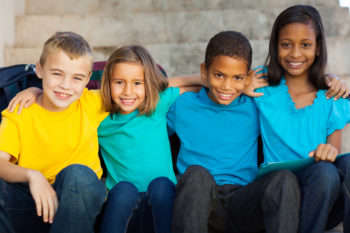
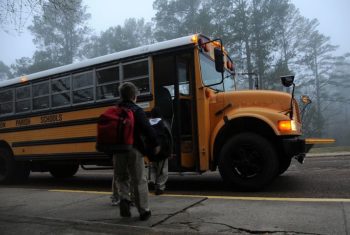 experiences at school. For example, one child may tease another at lunch about what he is eating. It may be that the child has food allergies and cannot eat certain foods. In another situation, a child may be eating foods that are unique to a culture. Regardless of the reason, children must learn to respect the individual differences of their classmates. Most schools focus on teaching children how to get along with others. Many schools grade children on their behavior with their classmates and their teacher. In California, schools have established strict guidelines on how students are to report bullying incidents to their teacher and school personnel.