 Student Learning Goals
This post is seventh of a series based on excepts from my book on Student-Engaged Assessment: Strategies to Empower All Learners by Laura Greenstein and Mary Ann Burke (2020). You can purchase the book from Roman and Littlefield for charts, examples, and worksheets on how to engage students to become owners of their learning successes.
Sample Student’s Learning Goals and Assessment Plan
Students can personalize their learning goals to make them more relevant, achievable, and interesting. The chart below illustrates how Davi, a second-grade student, personalized his learning goals and plan in each of his subject areas. These goals combine his understanding of what he needs to learn at his grade level as well as his specific interests. As appropriate, this may start with peer feedback. Then Davi meets with his teacher to discuss his progress and in due course, with his parents at student-parent conferences. He continues to modify and revise his goals for each cycle after receiving feedback. [Read more…]
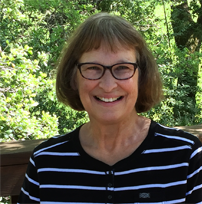
Mary Ann Burke, Ed.D., Digital Education Expert, is a substitute distance learning teacher for Oak Grove School District in San Jose, California and the author of STUDENT-ENGAGED ASSESSMENT: Strategies to Empower All Learners (Rowman & Littlefield: 2020). Dr. Burke creates digital language arts and substitute teaching K – 12 activities for teachers and parents. She is the Cofounder of the Genparenting.com blog. Burke is the former Director II of Categorical & Special Projects for the Santa Clara County Office of Education that supports 31 school districts serving 272,321 students in Santa Clara County. She is also a previous Director – State & Federal Compliance for Oakland Unified School District, the former Director – Grantwriter for the Compton Unified School District, and was the initial VISTA Director for the Community Partnership Coalition in southern California. Much of her work focuses on creating innovative digital trainings and partnership programs for teachers and families to support students’ learning. These programs were featured as a best practice at a National Title I Conference, California’s Title I Conferences, AERA Conferences, an ASCD Conference, the NASSP Conference, and statewide educator conferences.
 How Parents Can Support Student Success
 When I tutor students in the Goggle classroom, I listen and watch them carefully as they describe how they prefer to learn when reading and writing. For example, one student may describe how she gains lots of information about a story by looking at the pictures in the story first. Another student may want to write down his answer about what he just read before summarizing the story in two sentences. A third student may prefer drawing pictures or acting out the story before discussing or writing a story.
 Responding to Your Kids’ Challenging Behaviors at Home