 How to Parent Challenged Students
It is the dead of winter and students are locked up in classrooms with limited time to play outside due to unrelenting wind, cold, rain, or snow. Several students are recovering from viruses and flu. Many survive boredom by spending relentless hours playing computer games and visiting with their classmates online. Teachers are challenged with students suffering from cabin fever and mild winter depression.
Effective Classroom Strategies for Home Use
Here are 10 effective classroom management strategies that teachers use to calm students. These strategies are also effective for parents to use with their children at home.
- Create a quiet space for children that is away from distractions and provides a nurturing environment. My classroom quiet space includes large soft huggable stuffed animals that children can lay on and read mediative books to self-regulate when overwhelmed with challenging situations.
- Provide an assortment of fidget toys that may include squish and squeeze toys, rainbow relief sensory viewers, puzzle cubes, and fidget toys. These toys help students reduce their anxiety, relax, self-regulate, and concentrate.
- Teach students slogans and cues to help them refocus and relax when learning difficult lessons.
- Encourage students to breathe deeply and slowly exhale five times when feeling over-whelmed.
- Integrate brain breaks throughout the day that may include dancing and singing with a video song, exercising, playing Simon Says with various movements, and participating in a daily run in favorable weather.
- Have students participate in meditation and yoga activities before tests, after lunch time recess, and before large assembles.
- Transition from one activity to another with fun brain breaks.
- Reward students working extra hard with stickers and small incentive rewards.
- Reward the class with points that are gained from focused learning and successful completion of assignments. A total of 50 points earned can be rewarded with special activities including pajama day, pizza party, popsicle treats, and technology day.
- Reward the class on Fridays for a successful and productive week with 30 minutes of free play at the end of school day.
Emergency Survival Strategies
Some days are excessively difficult for struggling students. These 10 strategies can help teachers and parents reset a challenging day into a calmer day:
- Have a staff member escort a student to a neutral area outside of the classroom for a time-out or for added time spent outdoors when weather permits.
- Send the student to the nurse’s station or to the front office when the student is so overwhelmed with disturbing behaviors that may hurt themself or emotionally traumatize other students.
- Conference with parents on a regular basis to ensure the parents of aware of their child’s challenged behaviors and work as a team to solve classroom misbehaviors.
- Invite the student’s parent to volunteer in the classroom to help calm the student.
- Partner with the parent to seek outside professional help for severely troubled students.
- Model strategies that parents can use to help calm their child at home.
- Encourage parents to practice regularly scheduled and relaxing bedtime preparation activities with their child that ensure sufficient sleep.
- Encourage parents to prepare nutritional snacks and lunches that their child can easily eat at school.
- Make sure the student drinks sufficient amounts of water daily and uses the bathroom regularly.
- Enlist the assistance of the school nurse, counselor, and administrative staff when necessary.
When all else fails, the school staff will meet with parents to create a student success plan to monitor behaviors and ensure the student is receiving adequate support at home with partnership support at the school site.
Much success as you navigate the winter and spring quarters with your child in partnership with the classroom teacher.


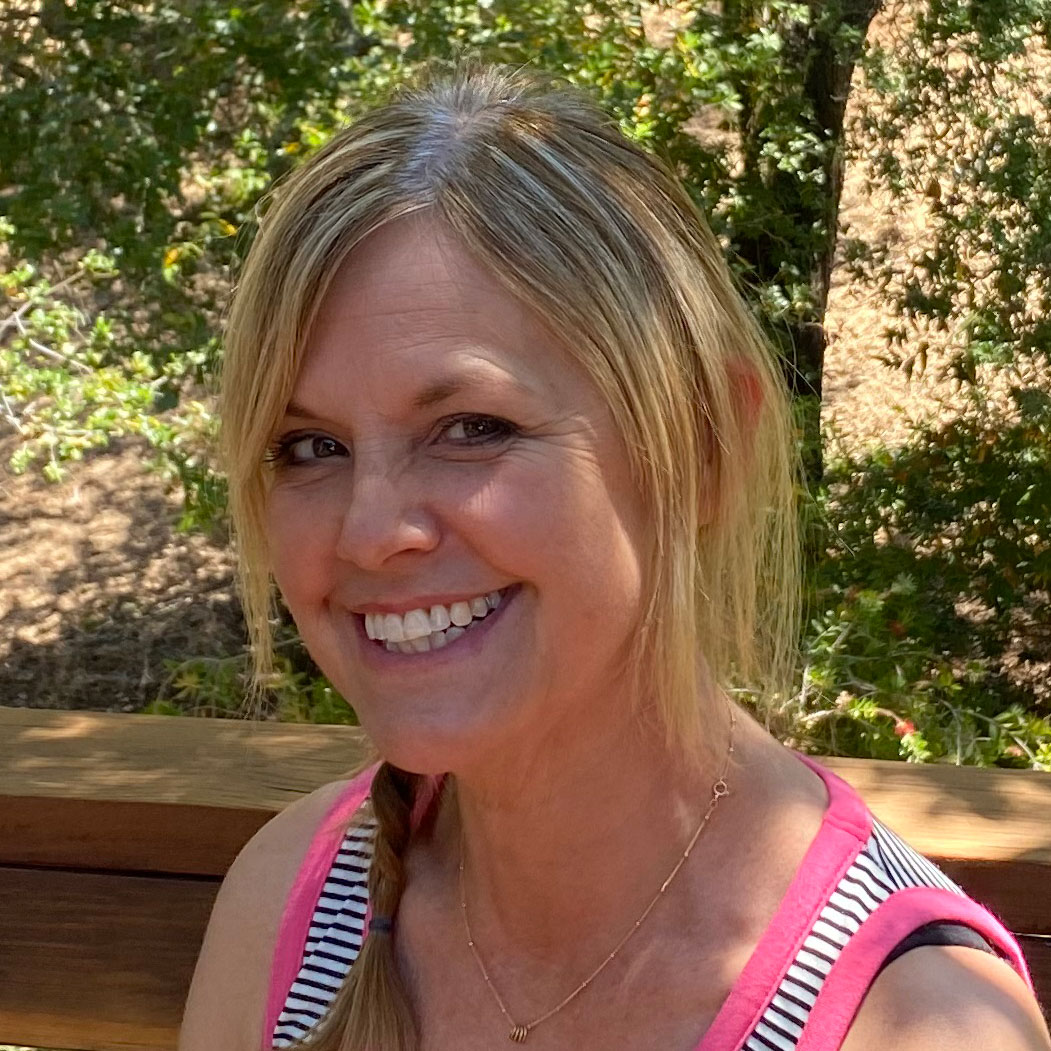
Melissa has been an educator for over 20 years, and has spent the largest block of her teaching career in second grade, with additional experience in Grades 1 through 4.
After graduating from the University of Nevada with a Bachelor of Science Degree in education, with a dual degree in special education, Melissa traveled through Europe. Ms. Donahoe taught her first teaching assignment at a Department of Defense School in Germany. Following her husband’s military career, she also taught at a Title 1 school in Ft. Lewis, and finally landed in Silicon Valley, where she has taught for the past 16 years.
Melissa trained with the Noyce Foundation’s Writer’s Workshop. She has served as a Gifted and Talented Education (GATE) coach at her school, where she facilitated curiosity and a love for learning among her students.
Melissa developed a passion for biodiversity after visiting Monterey Bay Aquarium with her nephew. She adopted a sea otter mascot named “Loutre” and discovered her fascination with ocean health, imparting to her students the relationship between sea otters and their critical role in maintaining healthy kelp forests. Along with ocean health, Melissa inspires awareness among her students about microplastics in the environment. She is a follower of the Jane Goodall Institute’s Roots & Shoots program and believes that small changes at home can foster activism that leads to healthy life habits.
Melissa has a daughter who is a junior in high school and a son who is attending his second year of college at the University of Nevada.