 Helping English Learners Succeed
When a child walks into school brand new to English, they are doing something incredibly brave. They’re learning new routines, new friendships, new expectations and a whole new language at the same time. That’s a lot for anyone. The good news? With the right support at home and at school, multilingual kids can absolutely thrive.
First, let’s start here: being multilingual is a gift. Research shared by Colorín Colorado and the National Association for the Education of Young Children shows that speaking more than one language strengthens thinking skills, problem-solving, and flexibility. So instead of seeing English as something a child is “behind” in, it helps to see all the language they already have as a huge strength.
Keep the Home Language Strong
Parents, keep speaking your strongest language at home. Tell stories. Ask questions. Laugh. Read together. A strong foundation in a child’s first language actually helps them learn English faster. You are not “confusing” them—you are building their brain.
Teachers, use their name correctly. Invite families to share traditions or favorite books. Even small efforts show children that who they are matters.
Make Things Visual and Clear
When kids are learning English, they understand more when they can see what’s happening. Pictures, gestures, modeling, and clear examples make a big difference.
At school, that might mean showing what to do instead of only explaining it. At home, it might look like previewing new topics. If your child is learning about weather, talk about rain, snow, or sunshine in your home language first. When they hear those ideas again in English, they’ll connect the dots more easily.
Be Patient with Talking
Many children go through a “silent period” when learning a new language. They may listen carefully but say very little. That’s normal. They are absorbing everything.
Instead of pushing them to speak before they’re ready, focus on helping them feel safe. Smile. Offer encouragement. Celebrate effort. Confidence grows when children feel accepted, not corrected at every turn. Social language comes more easily than academic language. It all takes time.
Support “School Words”
Kids often learn playground English faster than classroom English. They might chat easily with friends but struggle with words like “compare,” “predict,” or “explain.”
Parents can help by asking open-ended questions like, “Tell me what you learned today,” or “Why do you think that happened?” It’s okay if they answer in your home language—that thinking still counts. Teachers can help by modeling sentence starters like, “I think ___ because ___.”
Stay Connected
Clear, kind communication between home and school matters so much. If something is confusing, ask questions. Schools want families involved, even if language feels like a barrier. Translation tools and apps can help bridge gaps. Most importantly, remember this: learning a new language takes time. It’s not a race. With patience, encouragement, and teamwork, multilingual children don’t just “catch up.” They grow into confident, capable learners with a powerful skill that will serve them for life.
Strengths While Building Access
When we lead with patience, clear instruction, visual supports, and genuine connection, we create classrooms where language development and confidence grow together. With the right scaffolds and a belief in their potential, our multilingual learners don’t just adjust—they thrive.


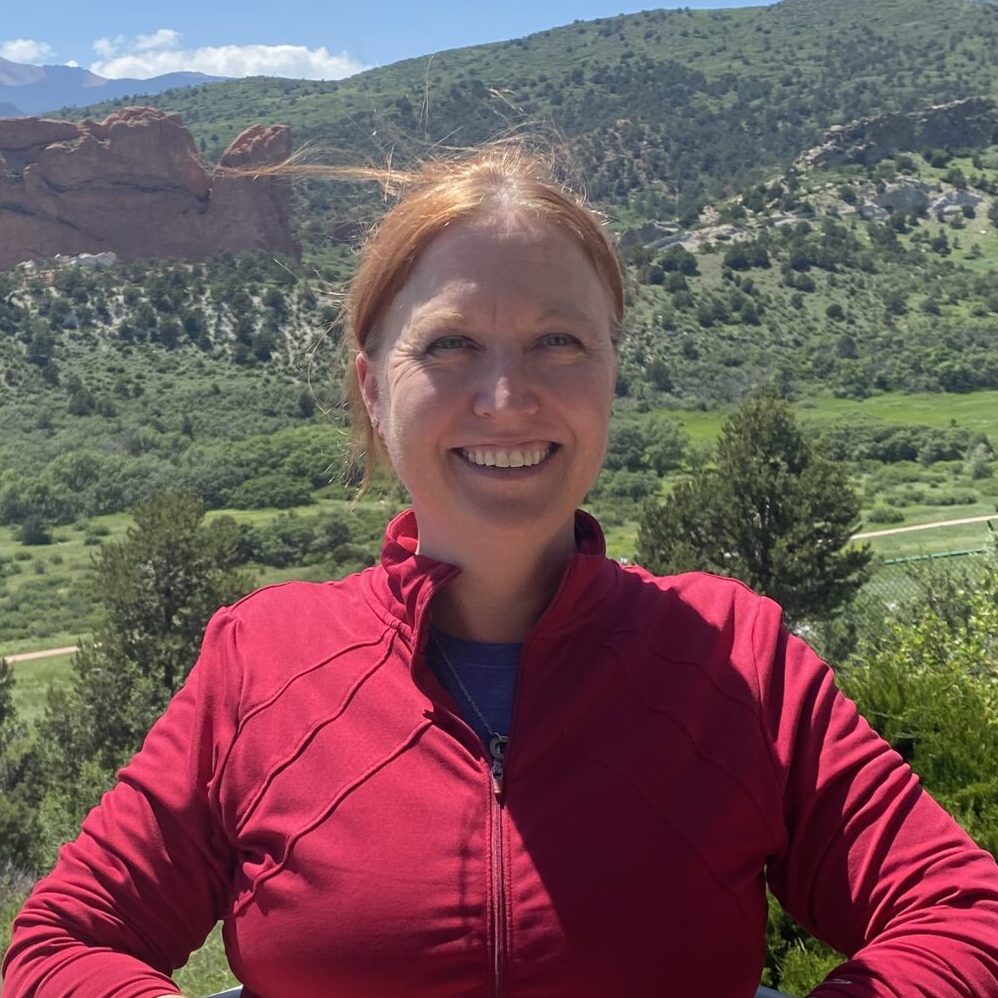
Alison Whiteley has been a special education teacher for over 15 years, spending most of her time working with elementary students and families. After graduating from the University of Colorado with a Bachelor of Arts in Special Education and Psychology, she continued her education with a Masters in Reading from Walden University. In addition, she has achieved endorsements supporting Early Childhood Special Education and Diverse Learners which she uses to help identify needs across all learners.
Ms. Whiteley is trained in Wilson Reading System and Yoshimoto Orton-Gillingham. She believes all students can learn to read and be successful. She has served as a Special Education Coach and Mentor to fellow specialists and teachers, facilitated the creation of her elementary school’s Response to Intervention/Multi-Tiered Systems of Support (RTI/MTSS) process and helped parents through the Special Education process as IEP Coach for parents. In 2013 she completed the National Boards of Professional Teaching in Exceptional Needs with recertification in 2022. Her areas of expertise involve working with students with learning disabilities, supporting stakeholders moving through the special education process, and helping parents and teachers understand what they can do to support struggling learners in the public school settings.
She is a founding member of the Colorado Reading League and a member of the International Dyslexia Association in Colorado. Alison has two greyhounds and two nephews who keep her busy outside of school. She is the CEO of Toad-ally Exceptional Learners at http://www.toad-allyexceptionallearners.com. Alison is a valuable source of information to support teachers and parents, although she is not a lawyer and does not give legal advice. Her services support families through the IEP process and how they can be an equal member of the team through positive interactions. She focuses on collaboration and using tools to take IEPs to the new level of helping students achieve.