 How Students Can Self-Assess Their Writing
In my previous blog post, I described how our primary grade students completed a 10-page report primarily in their own words on mud and soil. Our team then completed a Mud Report Student Evaluation for each student that highlighted their abilities to complete their mud report.
Five Mud Report Components
Listed below are the five questions that were used to evaluate each student with comments on each student’s report:
- Did the student research and copy text on the internet and from books with ease?
- Did the student write the report from multiple sources and combine information without help?
- Did the student blend information from various sources and apply what was read to personal life experiences and other experiences?
- Did the student work diligently with ease on the project?
- Is the report’s content, spelling, punction, and printing easy to read?
Student Levels of Accomplishment
We them rated these skills at the following four levels of accomplishment on each report component with comments based on the common core standards for primary grade students:
Level 1 Learning Basics: Student researched and copied nonfiction text on a topic in books and on the internet with lots of help. Student wrote the report with difficulty and help. Content, spelling, punctuation, and printing were hard to read.
Level 2 Demonstrates Understanding: Student researched and copied nonfiction text on a topic in books and on the internet with some help. Student wrote the report and blended some information with some difficulty and help. Content, spelling, punctuation, and printing were sometimes hard to read.
Level 3 Modifying Basics: Student researched and copied nonfiction text on a topic in books and on the internet without help. Student wrote the report from multiple sources and blended and applied some information in the report. Student worked diligently with ease. Content, spelling, punctuation, and printing were easy to read.
Level 4 Emerging Expert: Student researched and copied nonfiction text on a topic in books and on the internet with ease. Student wrote the report from multiple sources and extensively blended and applied information in the report. Student worked diligently with ease. Content, spelling, punctuation, and printing were easy to read.
Students’ Responses to Their Evaluation Comments
As we completed a rating for each student, we qualified the rating with personalized comments that focused on specific skills achieved when completing various report assignments. Students were very excited when we described specific behaviors and skill building attributes to specific examples captured in their 10-page reports.
Most were shocked that we actually read their reports and took the time to show them how to punctuate their reports correctly. Many are still learning how to self-edit their work and are surprised that we observed this amount of detail in our review of their work. Other students could not believe that they were working beyond their grade level in writing. We explained that the more they were able to synthesize their work and apply their writing to daily experiences and observations, the higher level writing they were able to create independently.
Challenged students were very excited that they were able to complete this very demanding assignment regardless of how much help we provided them. They want to slow down, print more carefully, and learn to self-edit. I encouraged these students to read parts of a story or nonfiction information daily and practice rewriting small passages daily in a journal. Through practice, these students will become self-confident writers. The more students expose themselves to difficult articles and books, the more confident they will become when completing challenging assignments.
What We Learned
We have been using this assignment and customized rubric for three years with multiple classes. Each year we become more successful in increasing students’ skill levels at a faster pace than previous years. I think we just keep learning how to teach better and more confidently as we coach students to integrate nonfiction informational writing with daily life experiences and observations.
We Are Here to Help
If you and your students or children want to learn how to evaluate writing assignments, you may be interested in reading Student-Engaged Assessment: Strategies to Empower All Learners by Laura Greenstein and Mary Ann Burke. Our team is available to provide trainings to your schools and teachers. You can contact us on our blog site under the comments section on the lower part of the blog page. Also, if you are interested in a simplified approach to teaching students about mud at the first or second grade level, we have posted an online book link on Magnificent Magical Mud by Mary Ann Burke at the bottom of our blog site. This online book includes simple writing assignments for students and children. Much success in the great adventure of student led learning through self-assessment.


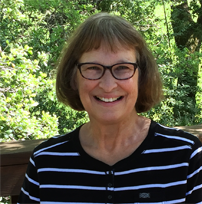
Mary Ann Burke, Ed.D., Digital Education Expert, is a substitute distance learning teacher for Oak Grove School District in San Jose, California and the author of STUDENT-ENGAGED ASSESSMENT: Strategies to Empower All Learners (Rowman & Littlefield: 2020). Dr. Burke creates digital language arts and substitute teaching K – 12 activities for teachers and parents. She is the Cofounder of the Genparenting.com blog. Burke is the former Director II of Categorical & Special Projects for the Santa Clara County Office of Education that supports 31 school districts serving 272,321 students in Santa Clara County. She is also a previous Director – State & Federal Compliance for Oakland Unified School District, the former Director – Grantwriter for the Compton Unified School District, and was the initial VISTA Director for the Community Partnership Coalition in southern California. Much of her work focuses on creating innovative digital trainings and partnership programs for teachers and families to support students’ learning. These programs were featured as a best practice at a National Title I Conference, California’s Title I Conferences, AERA Conferences, an ASCD Conference, the NASSP Conference, and statewide educator conferences.