 10 Summer Outdoor Activities That Build English Language Skills
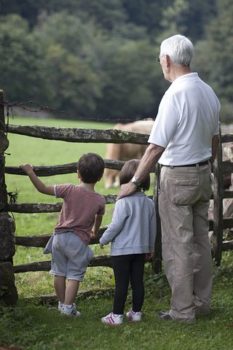
Summer is one of the most powerful seasons for growing language skills, especially for children learning English. As a teacher, I’ve seen firsthand how stepping outside can lower pressure, increase engagement, and create meaningful opportunities for authentic language use. Nature gives us built-in vocabulary, real experiences to talk about, and endless chances to practice listening and speaking in a natural way.
For students learning English, language grows best through real-life experiences, not just worksheets. Summer offers families a chance to build those experiences together. The best part? You don’t need anything fancy—just time outside, curiosity, and conversation.
Here are 10 simple, practical ways parents and grandparents can build English while enjoying the outdoors:
- Take “talk walks”
Go for a walk and intentionally talk about what you see, hear, and feel. Use simple, descriptive language: “The grass feels soft,” “I see a tall tree,” “The bird is flying.” Encourage your child to repeat or add on. - Name and describe everything
Nature is full of vocabulary. Point out objects and describe them using color, size, and shape: “small rock,” “bright yellow flower,” “long stick.” This builds both vocabulary and sentence structure. - Use the “I notice, I wonder” strategy
Say, “I notice the clouds are gray. I wonder if it will rain.” Then invite your child to try. This builds both expressive language and critical thinking. - Create a scavenger hunt
Make a simple list: leaf, bug, flower, something smooth, something rough. As your child finds each item, have them say the word and describe it. This adds repetition and meaningful use of new words. - Practice verbs in action
Summer is perfect for movement. Use action words while playing: run, jump, dig, pour, splash. Model sentences like, “You are running fast!” Verbs are essential for building strong sentences. - Tell simple stories about your day
After being outside, talk about what you did in order: “First we walked, then we saw a dog, and last we played.” This helps children practice sequencing and past tense language. - Sing songs and rhymes outdoors
Songs build rhythm, pronunciation, and memory. Try repeating simple songs while swinging, walking, or playing. Repetition helps language stick. - Ask open-ended questions
Instead of yes/no questions, ask: “What did you see?” “Why do you think that happened?” “How did it feel?” Give your child time to respond, even if it takes a little longer. - Encourage home language connections
If your family speaks another language, use it! Talk about nature in both languages. This strengthens overall language development and helps children make connections between words and ideas. - Model, don’t correct
If your child makes a mistake, respond by modeling the correct sentence instead of correcting directly. For example, if they say, “Dog run fast,” you can respond, “Yes, the dog is running fast!” This keeps communication positive and supportive.
The goal isn’t perfection—it’s interaction. Language grows through connection, shared experiences, and conversation. When children feel relaxed and engaged, they are more willing to take risks and try new words.
So this summer, step outside. Slow down. Talk more. Listen closely. Whether you’re at a park, in your backyard, or just walking around the block, you’re creating powerful opportunities for language growth—one conversation at a time.


Alison Whiteley has been a special education teacher for over 15 years, spending most of her time working with elementary students and families. After graduating from the University of Colorado with a Bachelor of Arts in Special Education and Psychology, she continued her education with a Masters in Reading from Walden University. In addition, she has achieved endorsements supporting Early Childhood Special Education and Diverse Learners which she uses to help identify needs across all learners.
Ms. Whiteley is trained in Wilson Reading System and Yoshimoto Orton-Gillingham. She believes all students can learn to read and be successful. She has served as a Special Education Coach and Mentor to fellow specialists and teachers, facilitated the creation of her elementary school’s Response to Intervention/Multi-Tiered Systems of Support (RTI/MTSS) process and helped parents through the Special Education process as IEP Coach for parents. In 2013 she completed the National Boards of Professional Teaching in Exceptional Needs with recertification in 2022. Her areas of expertise involve working with students with learning disabilities, supporting stakeholders moving through the special education process, and helping parents and teachers understand what they can do to support struggling learners in the public school settings.
She is a founding member of the Colorado Reading League and a member of the International Dyslexia Association in Colorado. Alison has two greyhounds and two nephews who keep her busy outside of school. She is the CEO of Toad-ally Exceptional Learners at http://www.toad-allyexceptionallearners.com. Alison is a valuable source of information to support teachers and parents, although she is not a lawyer and does not give legal advice. Her services support families through the IEP process and how they can be an equal member of the team through positive interactions. She focuses on collaboration and using tools to take IEPs to the new level of helping students achieve.